

Table of Contents
- Why Equipment Damage Costs More Than You Think
- Step 1: Establish Clear Safety Protocols and Standard Operating Procedures
- Step 2: Implement Heavy Equipment Maintenance Best Practices
- Step 3: Design a Skid Steer Operator Training Curriculum and Equipment-Specific Programs
- Step 4: Deploy Operator Error Reduction Strategies
- Step 5: Monitor Performance and Track ROI
- Step 6: Build a Sustainable Safety Culture
- How to Reduce Equipment Damage Through Training: Your Action Plan
Reduce Equipment Damage Through Training: A 7-Step Guide
Last Updated: August 30, 2026
Why Equipment Damage Costs More Than You Think
Vocational centers and construction companies accumulate £10,000 to £50,000 annually in training-related damage costs. Virtual reality pre-training can lead to a 50-70% reduction in equipment damage incidents, and operators trained through structured programs see a 40-60% decrease in material waste.
The core issue isn't carelessness. It's that operators don't fully understand the consequences of their actions until damage has already occurred. A skid steer operator who's never seen what happens when hydraulic pressure exceeds safe limits won't recognize warning signs until something breaks. An excavator operator who's never practiced precision digging in a controlled environment will learn through expensive mistakes on the job site.
This guide shows you exactly how to reduce equipment damage through training, not through lectures, but through structured, practical programs that change how operators think and act. Iron Skills Academy has built this framework by working with vocational instructors, safety officers, and equipment operators across construction and agriculture.

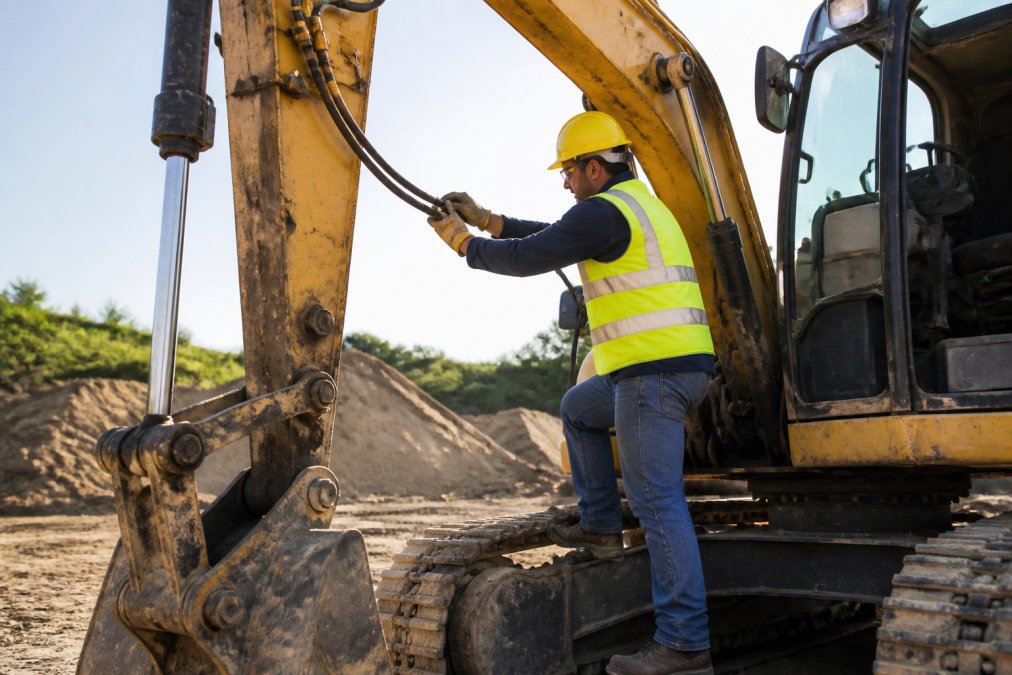
Step 1: Establish Clear Safety Protocols and Standard Operating Procedures
Standard operating procedures prevent damage before it happens. When operators follow documented safety protocols, they have a clear reference point for every decision they make in the field.
Document exactly how each piece of equipment should be operated, maintained, and inspected. This includes startup procedures, load limits, turning radius constraints, emergency shutdown sequences, and post-operation shutdown steps. The best safety protocols include visual aids, laminated cards in the cab, color-coded warning labels, and marked zones on the ground showing safe operating distances.
According to CertEx USA's workplace safety research, companies with comprehensive safety training saw a 50% reduction in workplace injuries compared to those without structured programs. Make safety protocols a living document. Review them quarterly with your team and update them immediately when someone identifies a hazard or nearly causes damage.
Step 2: Implement Heavy Equipment Maintenance Best Practices
Equipment damage accelerates when maintenance falls behind. A skid steer with worn brake pads will stop unpredictably. An excavator with degraded hydraulic seals will leak fluid and lose pressure. These silent failures compound over time.
Pre-Operation Inspections
Every operator should perform a five-minute pre-operation inspection before starting work. The inspection covers seven critical areas: hydraulic fluid levels and leaks, tire or track condition, brake function, steering response, cab safety equipment, lights and mirrors, and emergency stops. Document the inspection results using a simple checklist that takes two minutes to complete, and require operators to sign it. When you track inspection data over weeks and months, patterns emerge that reveal systemic problems.
Scheduled Maintenance and Wear Indicators
Preventative maintenance schedules keep equipment healthy. Most manufacturers publish maintenance intervals: oil changes every 250 hours, filter replacements every 500 hours, hydraulic system flushes every 2,000 hours. Train operators to recognize wear indicators before equipment reaches failure. Hydraulic hoses that look slightly soft are approaching their service life. Tracks with visible cracks or missing bolts are ready to fail. Brakes that feel spongy indicate pad wear.
The Iron Skills Academy Heavy Equipment Operator Training Manual covers equipment-specific maintenance procedures and inspection protocols for excavators, dozers, wheel loaders, skid steers, backhoes, and motor graders.
Step 3: Design a Skid Steer Operator Training Curriculum and Equipment-Specific Programs
Generic training doesn't work. A skid steer operates completely differently from an excavator. Each machine has unique controls, load limits, and failure modes. Build equipment-specific curricula that cover machine systems and controls, safe operating techniques, and maintenance responsibilities.
The curriculum should progress from theory to supervised practice to independent operation. Operators should understand how hydraulic systems work before they operate hydraulic equipment. They should practice precision tasks in controlled settings before working on live job sites.
Hands-On Training and Simulator-Based Learning
Hands-on training is essential, but it's expensive when mistakes cause damage. Virtual reality pre-training lets operators make mistakes in a consequence-free environment. They can over-pressurize hydraulic systems, hit obstacles, and tip equipment without destroying anything.
Research shows that virtual reality pre-training can result in a 40-60% decrease in material waste during hands-on training. One college that worked with Dagger Interactive implemented a comprehensive VR lab and documented £32,000 in first-year savings from reduced equipment damage, covering 80% of their VR implementation cost.
Step 4: Deploy Operator Error Reduction Strategies
Most equipment damage traces back to operator error, mistakes that happen when operators don't fully understand a machine's limits or don't recognize hazards in time.
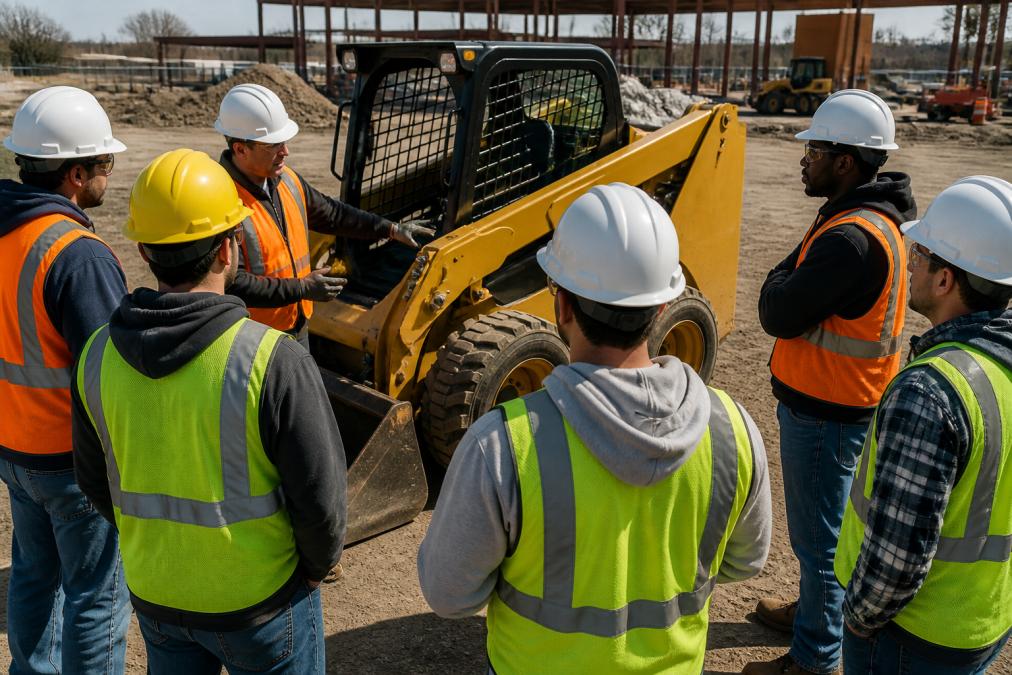
Toolbox Talks and Continuous Reinforcement
Toolbox talks are five- to ten-minute safety discussions held before work begins. They're focused, specific, and tied to the day's actual work. A toolbox talk before trenching work covers ground conditions, slopes, and how to recognize unstable soil. A talk before lifting operations covers load weight, rigging setup, and spotting plan.
Conduct toolbox talks consistently, every single day. Record topics and attendance. When you track toolbox talks over months, you can see which topics need reinforcement.
Addressing Psychological Factors in Operator Error
Create a culture where reporting damage or hazards is rewarded, not punished. When an operator stops work to report a hydraulic leak, they've prevented a larger failure. Make it clear that reporting is the right choice and that mistakes made in good faith are learning opportunities.
Fatigue management is critical. Operators who work 12-hour shifts or consecutive days without breaks make more mistakes. Implement fatigue policies that limit consecutive hours and require adequate rest. Time pressure is another silent killer. Build realistic timelines into your job planning so operators aren't rushed.
Step 5: Monitor Performance and Track ROI
Training only works if you measure its impact. Before implementing training, document your current equipment damage rates. Track the number of incidents per month, the average cost per incident, and the types of damage that occur most frequently.
After training begins, continue tracking the same metrics. Most organizations see improvement within 60-90 days. Calculate the return on investment. For every $1 spent on workplace safety, companies save as much as $6 in direct and indirect costs, according to CertEx USA's ROI research.
Use performance data to refine your program. Create a dashboard that tracks key metrics: equipment damage incidents per month, average repair cost, percentage of operators certified in each equipment type, and pre-operation inspection completion rates. Review this dashboard monthly with your team.
Step 6: Build a Sustainable Safety Culture
Training programs fail when they're treated as one-time events. Sustainable improvement requires building a culture where safety and operational excellence are valued continuously.
Involve operators in decision-making. When designing new procedures or addressing a recurring damage problem, ask operators for input. They see the equipment daily and understand real constraints. When they help shape solutions, they're invested in making those solutions work.
Recognize and reward safe behavior. When an operator goes a month without damaging equipment, acknowledge it. When someone reports a hazard that prevents an accident, make it visible to the whole team. Create a feedback loop where operators know their input matters.
Rotate operators through equipment types. Cross-training reduces the risk that one person's bad habits become the team standard and builds flexibility when equipment breaks down.
How to Reduce Equipment Damage Through Training: Your Action Plan
Start with step one: document your safety protocols and ensure every operator understands them. Move to step two: implement preventative maintenance and teach operators to recognize wear indicators. By step three, you're running equipment-specific training that builds real competence. Steps four through six address the human factors, operator error, psychological stressors, and culture, that determine whether training actually changes behavior.
The Iron Skills Academy Heavy Equipment Operator Training Manual provides the curriculum framework you need. Designed for both students and instructors, it covers foundational safety, inspections, and operating fundamentals for excavators, dozers, wheel loaders, skid steers, backhoes, and motor graders.
Start tracking your damage metrics today. Implement one new training element this month. By next quarter, you'll have concrete data showing whether your program is working. Most organizations see 30-50% reductions in equipment damage within six months of implementing structured training.
Equipment damage isn't inevitable. It's the result of operators who don't fully understand their machines, don't recognize hazards, or don't have the skills to respond correctly when problems arise. Iron Skills Academy's comprehensive training approach addresses all three. Our curriculum covers the technical knowledge operators need, the practical skills they must master, and the safety mindset that keeps equipment safe. Start your training program with Iron Skills Academy and reduce equipment damage while building a team of confident, competent operators.
| Training Component | Focus Area | Expected Impact |
|---|---|---|
| Safety Protocols & SOPs | Documented procedures, visual aids, team alignment | Consistent safe operation across all operators |
| Preventative Maintenance | Pre-op inspections, wear indicators, service schedules | 30-50% reduction in unplanned breakdowns |
| Equipment-Specific Curriculum | Machine systems, controls, safe techniques | Faster operator competence, fewer learning mistakes |
| Simulator-Based Training | Risk-free practice, muscle memory development | 40-60% decrease in damage during hands-on training |
| Operator Error Reduction | Toolbox talks, fatigue management, reporting culture | Fewer incidents, faster hazard identification |
| Performance Monitoring | Damage tracking, ROI calculation, continuous refinement | Data-driven program improvements |
| Safety Culture | Recognition, feedback loops, cross-training | Sustained improvement, operator engagement |
Frequently Asked Questions
How does operator training reduce heavy equipment maintenance costs?
Structured training reduces equipment damage by 50-70%, according to VR prevention research. Trained operators follow proper handling techniques, identify wear and tear early, and avoid costly operational errors. This translates to lower repair bills, reduced downtime, and extended equipment lifecycle. Companies that implement comprehensive safety training see maintenance cost reductions of 40-60% through decreased material waste and fewer mechanical failures.
What should be included in a heavy equipment maintenance best practices program?
Effective maintenance programs combine pre-operation inspections, scheduled maintenance intervals, and wear indicator monitoring. Operators must learn to identify hydraulic leaks, structural damage, and component wear before they escalate. Training should cover proper lubrication, controlled usage patterns, and documentation of maintenance schedules. When paired with operator proficiency training, these practices prevent asset degradation and support predictable operational efficiency.
How can simulator training improve operator proficiency and reduce damage?
Simulator-based training allows operators to practice in a controlled environment without risking actual equipment. Research shows VR pre-training reduces equipment damage incidents by 50-70%. Operators can make mistakes, learn consequences, and build muscle memory before operating real machinery. This approach is especially valuable for new equipment onboarding and complex procedures, reducing human error reduction and accelerating skill acquisition without costly trial-and-error on site.
What is the financial return on investing in operator training?
For every $1 spent on workplace safety training, companies save up to $6 in direct and indirect costs. One vocational college documented £32k in first-year savings from reduced equipment damage after implementing VR training, covering 80% of their implementation cost. Additional returns include reduced insurance risk mitigation, decreased downtime, and improved equipment longevity. The ROI calculation should factor in damage prevention, maintenance savings, and operational efficiency gains.
This article was written using GrandRanker