

Table of Contents
- What Structured Operator Training Delivers
- Enhanced Workplace Safety and Accident Prevention
- OSHA Heavy Equipment Training Requirements and Compliance
- Operational Productivity Gains and Equipment Uptime
- Impact of Operator Training on Equipment Maintenance Costs
- Heavy Equipment Training Program Duration and Skill Development
- Return on Investment and Long-Term Career Advancement
- Frequently Asked Questions
Last Updated: August 31, 2026
What Structured Operator Training Delivers
Structured operator training is the difference between a workforce that operates equipment safely and efficiently, and one that develops dangerous habits through trial and error. According to OSHA research on forklift and industrial truck injuries, 79% of the 34,900 heavy equipment injuries that occur annually are preventable through proper training, nearly 28,000 preventable incidents every year.
Structured operator training delivers measurable outcomes across five critical dimensions: safety compliance, operational efficiency, equipment longevity, regulatory adherence, and career advancement. Each connects directly to your bottom line.
Enhanced Workplace Safety and Accident Prevention
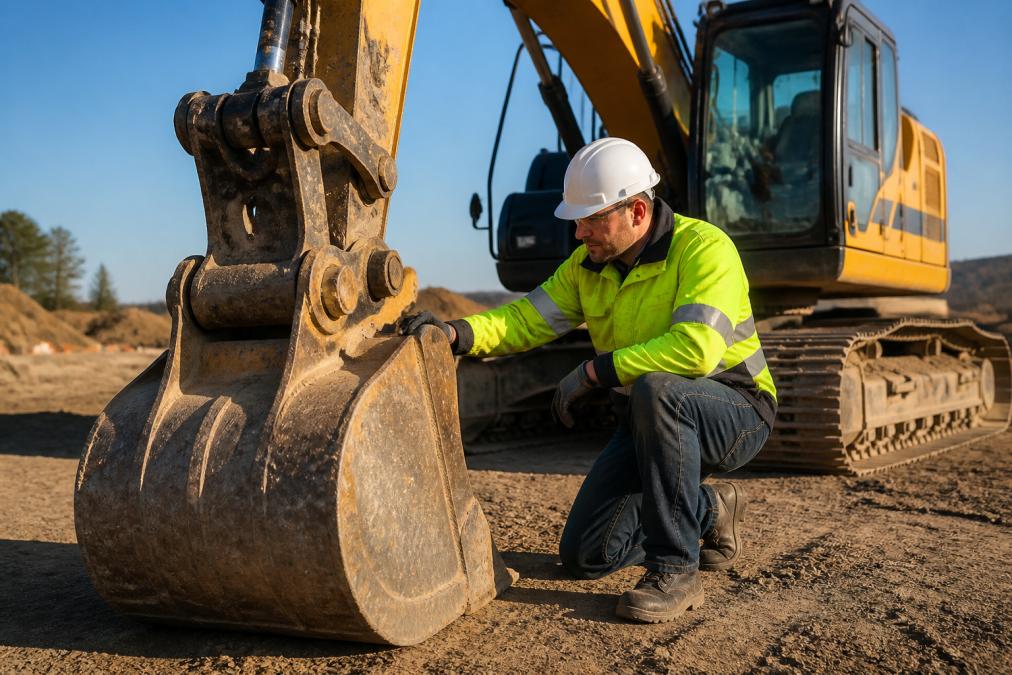
Safety is the foundation of structured operator training. When operators understand load dynamics, stability principles, and hazard identification before operating equipment, accidents drop sharply.
Research from National Institute for Occupational Safety and Health (NIOSH) on forklift training effectiveness indicates that proper forklift training can reduce accidents by up to 70%. A mid-sized warehouse operation in Des Moines implemented a comprehensive training program and saw safety incidents drop by over 35% within three months.
Untrained operators develop unsafe habits because they don't understand why procedures exist. Structured training embeds safety protocols into muscle memory before bad habits form. Well-trained operators learn pre-operation inspection procedures, load capacity calculations, site hazard recognition, and emergency response protocols.
According to 360 OSHA workplace safety training data, companies that implemented regular safety training sessions saw a 25% reduction in workplace injuries overall. Research shows Travelers insurance data on new hire injuries that 36% of workplace injuries occur among first-year workers. Structured training compresses the learning curve and eliminates the most dangerous period when operators are learning through mistakes.
OSHA Heavy Equipment Training Requirements and Compliance
OSHA mandates that powered industrial truck operators receive formal instruction before operating equipment. This is a regulatory requirement with real penalties for non-compliance. The training must cover equipment-specific operation, hazard recognition, and safe work practices.
A documented training curriculum with assessment checkpoints creates an audit trail that demonstrates compliance. When OSHA conducts inspections or accident investigations occur, you can show that operators received formal instruction covering all required topics. Informal shadowing leaves no proof of what was actually taught.
Structured training programs that meet OSHA standards typically cover equipment-specific controls and operation procedures, load capacity and stability principles, pre-operation inspection and maintenance basics, hazard identification and avoidance, and emergency procedures and shutdown protocols.
Operational Productivity Gains and Equipment Uptime
Manufacturing firms report 25-40% productivity gains within 90 days of equipment operator training, according to Training Program ROI research data. A 25% productivity increase on a fleet of 10 excavators translates directly to additional capacity without additional equipment investment.
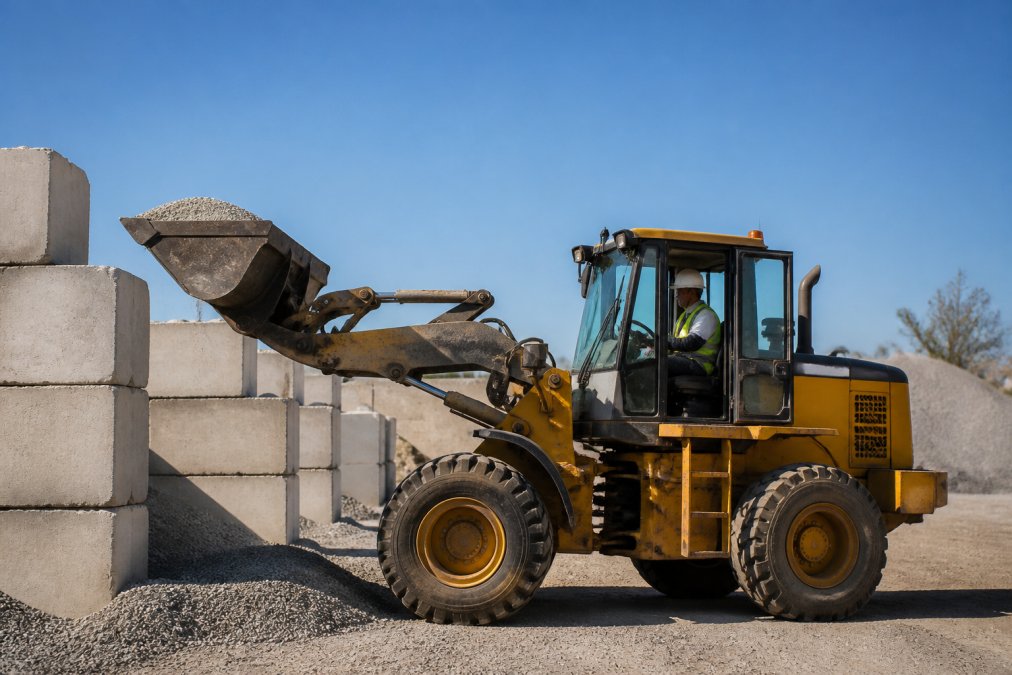
Trained operators are more productive because they understand optimal load sizes, cycle times, and positioning. They don't waste motion or make unnecessary passes. A skilled wheel loader operator positions material with fewer repositioning moves, cutting cycle time by 10-15%.
Operators who understand load dynamics and hydraulic system behavior operate within safe parameters. They don't exceed load limits or create stress on structural components, meaning fewer breakdowns and more hours per week the equipment is actually working. In material handling operations, precision reduces rework and accelerates project completion.
The equipment uptime benefit is particularly valuable for companies with capital-intensive fleets. A single excavator represents $200,000-$500,000 in capital. If trained operators extend equipment lifespan by 2-3 years or reduce downtime by 10%, the ROI becomes substantial.
Impact of Operator Training on Equipment Maintenance Costs
Trained operators directly reduce maintenance costs by operating equipment within design parameters and catching problems early through proper pre-operation inspections.
Untrained operators create stress on equipment by exceeding load limits, operating at unsafe speeds, and skipping pre-operation checks. Trained operators reduce maintenance costs through three mechanisms: preventative maintenance compliance, operating within design parameters, and early problem detection.
Operators who understand why procedures exist actually perform them consistently, catching hydraulic leaks and worn hoses before they cause failures. Equipment is engineered for specific load ranges and operating temperatures. Operators who understand these parameters operate safely within them. Trained operators recognize unusual sounds or vibrations that indicate mechanical issues and report problems early.
Organizations investing in structured training for heavy equipment operators report measurably less wear on equipment. Operators who understand load dynamics and proper cycle techniques place less mechanical stress on machines, extending service intervals and reducing parts replacement frequency.
A fleet of 15 wheel loaders operating 2,000 hours annually represents 30,000 equipment hours. If trained operators reduce maintenance costs by even 15% per machine, the annual savings exceed $50,000-$75,000 for a mid-sized operation.
Heavy Equipment Training Program Duration and Skill Development
Structured operator training programs typically span 40-80 hours of formal instruction, depending on equipment complexity. This includes classroom instruction on safety principles, equipment-specific operation, and hands-on practice under supervision.
A typical structured program covers machine familiarization (4-6 hours), pre-operation inspection and maintenance basics (4-6 hours), safe operating techniques (12-16 hours), hazard identification and avoidance (6-8 hours), and theory assessment and practical evaluation (4-6 hours).
Operators become truly proficient after 200-400 hours of supervised operation, roughly 8-16 weeks of regular work. This is where structured training outperforms informal shadowing.
Employees who are offered on-the-job training programs are 30% happier with their careers than those who receive no training, according to OJT.com employee satisfaction research. Training signals that the company invests in operator development, which increases loyalty and reduces turnover. A company that brings new operators to proficiency in 12 weeks rather than 20 weeks gains competitive advantage in staffing projects and responding to growth opportunities.
Return on Investment and Long-Term Career Advancement
Manufacturing companies average 180-220% ROI on structured training programs, with payback periods of 8-14 months, according to Manual.to training ROI analysis. A $10,000 training investment pays for itself in under a year and generates $18,000-$22,000 in additional value over the next 12 months.
ROI materializes through productivity gains (the 25-40% increase mentioned earlier directly increases revenue or reduces labor costs per unit), reduced accident costs (fewer accidents mean lower workers' compensation claims and reduced insurance premiums), extended equipment lifespan (trained operators reduce maintenance costs and extend equipment life by 2-3 years), and reduced turnover (operators who receive training are more engaged and more likely to stay).
For individual operators, structured training opens doors to better-paying positions. A well-trained heavy equipment operator builds a reputation that opens doors to steadier, better-paying work. Certified operators command 15-25% higher wages than uncertified operators in most markets.
| Investment Component | Typical Cost | Payback Timeline | Long-Term Value |
|---|---|---|---|
| Formal training program (per operator) | $800-$2,500 | 2-4 months | Career advancement, 15-25% higher wages |
| Equipment access for practice | Included in program | Ongoing | Reduced learning curve by 4-6 weeks |
| Certification and documentation | $200-$500 | Immediate | Regulatory compliance, job eligibility |
| Supervisor/trainer time | $1,500-$3,000 | 6-12 months | Reduced accident rates, improved safety culture |
Iron Skills Academy's training packages deliver this ROI efficiently. The Instructor Training Package provides structured materials that reduce the time required to develop competent operators, while the Heavy Equipment Operator Training Manual gives new operators the foundational knowledge they need before hands-on practice begins.

Structured operator training isn't an expense, it's an investment that pays measurable returns through improved safety, higher productivity, lower maintenance costs, and stronger team retention. Start your team's transformation with Iron Skills Academy. Our Instructor Training Package and Heavy Equipment Operator Training Manual provide the structured curriculum you need to build a safer, more productive workforce. Get started with Iron Skills Academy and equip your operators with the skills that actually move the needle on job site performance.
Frequently Asked Questions
What does structured operator training actually entail?
Structured operator training covers machine familiarization, pre-operation inspections, safe operating techniques, hazard identification, theory assessment, and practical evaluation. Unlike informal on-the-job training, structured programs build knowledge in logical layers. Operators learn load dynamics, stability principles, hydraulic system behavior, and proper cycle techniques before operating equipment. This layered approach ensures operators understand not just how to operate, but why each step matters for safety and efficiency.
How does structured operator training reduce heavy equipment maintenance costs?
Well-trained operators understand load dynamics, hydraulic system behavior, and proper cycle techniques, placing less mechanical stress on machines. This extends service intervals and reduces parts replacement frequency. Organizations investing in structured training report measurably less wear on equipment. Operators who grasp how their actions affect machinery make better decisions about load placement, speed, and technique, directly lowering maintenance expenses and extending equipment lifespan.
Is structured operator training required for OSHA compliance?
OSHA regulations require operators of powered industrial trucks and heavy equipment to receive formal training and evaluation. While OSHA does not mandate a specific program, structured training ensures compliance with regulatory requirements. Many jurisdictions require documented proof of competency-based training. Structured programs meet these compliance standards and create the documentation needed for regulatory audits, reducing liability and ensuring your workforce meets industry standards.
What's the actual ROI and payback period for operator training programs?
Manufacturing companies average 180-220% ROI on structured training programs, with payback periods of 8-14 months. Within 90 days of implementation, firms report 25-40% productivity gains. When combined with reduced accident rates (up to 70% reduction), lower equipment maintenance costs, and improved employee retention (30% higher job satisfaction), the financial case becomes compelling. Most organizations recoup their training investment within a year while enjoying ongoing safety and efficiency benefits.
This article was written using GrandRanker