

Table of Contents
- What Heavy Equipment Training Packages Actually Cost in 2026
- Hidden Costs Beyond Tuition Fees
- Heavy Equipment Operator Certification Cost Explained
- Heavy Equipment Training Program Duration: What to Expect
- Employer-Sponsored Heavy Equipment Training vs. Private School
- Financing, Grants, and Scholarships for Heavy Equipment Training
- ROI: Is Heavy Equipment Training Worth the Cost?
- Which Heavy Equipment Training Package Should You Choose?
Last Updated: August 18, 2026
What Heavy Equipment Training Packages Actually Cost in 2026
Heavy equipment operator training ranges from under $100 for digital study resources to $15,000+ for full-school programs with hands-on machine time. According to Certified Safety Experts training cost breakdown, tuition typically runs $5,000 to $15,000 depending on program length, equipment covered, and location. The construction industry needs to hire 439,000 new workers in 2025 alone, intensifying demand for structured training across every format and price point.
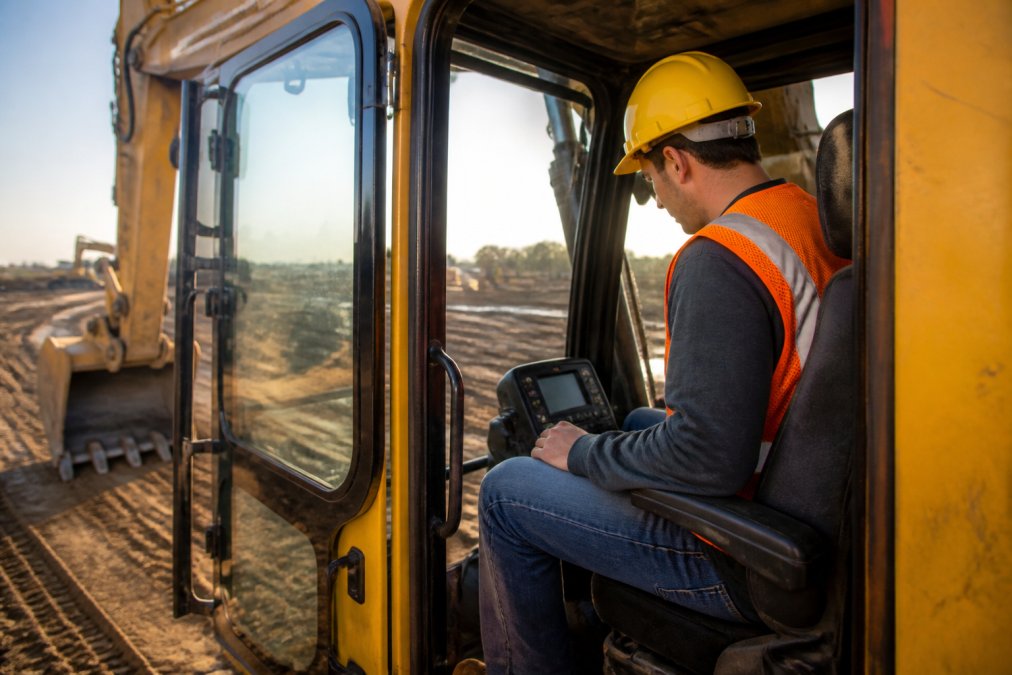
Full-School Programs: $5,000-$15,000+
Full vocational training programs are the most comprehensive option for entry-level operators. These typically run several weeks to a few months and include classroom instruction, practical field experience on real machinery, and certification assessments. Programs like National Training charge $14,995 for multi-machine curriculum or $4,995 per individual machine course. Apprenticeships offer a lower-cost alternative at up to $5,000, though they require finding an employer sponsor.
Single-Machine Courses: $2,000-$5,095
Single-machine courses let operators focus on one piece of equipment, ideal for workers already employed in a specific role. A 12-hour basic skid steer operator training course runs approximately $2,600, with optional attachment modules available for an additional $600. These courses typically complete in one to three days, minimizing time away from the jobsite.
Digital Training Manuals and Self-Study Resources
The most accessible entry point is digital self-study. The Iron Skills Academy Heavy Equipment Operator Training Manual, Student Edition is a structured digital PDF covering 20 training chapters across excavator, bulldozer, wheel loader, skid steer, and backhoe loader fundamentals. It includes pre-operation inspections, jobsite safety, ground conditions, preventive maintenance, emergency procedures, a 200-question practice bank, and a 50-question final assessment.

The Student Edition costs $30 (one-time purchase), while the Premium Bundle is $40. The Iron Skills Academy Instructor Training Package at $99 includes instructor materials, student resources, practice assessments, daily equipment inspection resources, practical operator evaluation tools, and Motor Grader instructor materials.
Hidden Costs Beyond Tuition Fees
Tuition rarely represents the full cost of training. Supplies and safety equipment can add $500 to $5,000, according to Climb Credit (2021). Equipment usage fees at some facilities run $50 to $200 per day on top of tuition. Certification testing fees typically cost $75 to $200 per test, with retakes adding additional expense.
Travel and accommodation for programs outside your area can add $1,000 to $2,500. Lost income during training is the largest hidden cost for working adults, a four to eight-week program means four to eight weeks without wages.
Heavy Equipment Operator Certification Cost Explained
Heavy equipment operator certification validates competency on specific machinery. Certification testing fees range from $75 to $200 per test depending on the state. Operators pursuing credentials across multiple machine types face cumulative costs reaching $600 to $1,000 in testing fees alone.

The National Commission for the Certification of Crane Operators is widely recognized for crane and lifting equipment. For general earthmoving equipment, many employers accept operator evaluation documentation from accredited training programs rather than requiring external certification.
Heavy Equipment Training Program Duration: What to Expect
Heavy equipment training ranges from a single day to several months depending on format and depth.
| Training Format | Typical Duration | Equipment Covered | Cost Range |
|---|---|---|---|
| Digital self-study manual | Self-paced (days to weeks) | Multi-machine | $30-$99 |
| Single-machine course | 1-3 days | One machine | $2,000-$5,095 |
| Preventative maintenance course | 1-2 days | Multi-machine | $2,000-$3,650 |
| Full vocational program | 4-16 weeks | Multi-machine | $5,000-$15,000+ |
| Apprenticeship | 1-3 years | Multi-machine | Up to $5,000 (subsidized) |
Short courses work well for operators needing specific skills quickly. Full vocational programs suit career changers building competency across multiple machine types. Self-study digital formats offer flexibility for employed workers preparing for transitions.
Employer-Sponsored Heavy Equipment Training vs. Private School
Many construction, mining, and agriculture companies train operators internally. An unnamed construction company that focused on operator training saved $18,000 in fuel within four months, according to ZenduIT. Employer-sponsored programs typically cover tuition, safety equipment, and sometimes wages during training, though they usually require candidates to stay with the employer for a defined period afterward.
Private vocational training schools offer independence, you train, earn credentials, then negotiate with multiple employers. The cost is entirely yours, but so is the flexibility.
Financing, Grants, and Scholarships for Heavy Equipment Training
Workforce development grants are the most overlooked funding source. State workforce agencies administer grants for vocational training in high-demand fields. A Heavy Equipment Operator Level 1 program in Virginia, for example, has a regular price of $4,500 but may be available for $1,500 or less for qualifying students.
Pell Grants and federal student aid apply to accredited vocational programs. According to U.S. Department of Education Federal Student Aid information, Pell Grants do not require repayment and are available to students demonstrating financial need.
Trade-specific scholarships are offered by construction industry associations, equipment manufacturers, and workforce development organizations. Student loans and financing plans spread tuition over 12 to 36 months through lenders specializing in vocational training.
Manufacturing firms that implemented structured equipment operator training reported 25 to 40% productivity gains within 90 days, according to Total Equipment Training. At that return, financing a $10,000 training program per operator is sound business investment.
ROI: Is Heavy Equipment Training Worth the Cost?
The median annual wage for construction equipment operators reached $58,320 in May 2024, according to Bureau of Labor Statistics Occupational Employment Statistics. Entry-level operators earn around $20.28 per hour, while the top 10% clear $48.60 per hour or more. Crane and tower operators earn higher, with medians near $31 per hour.
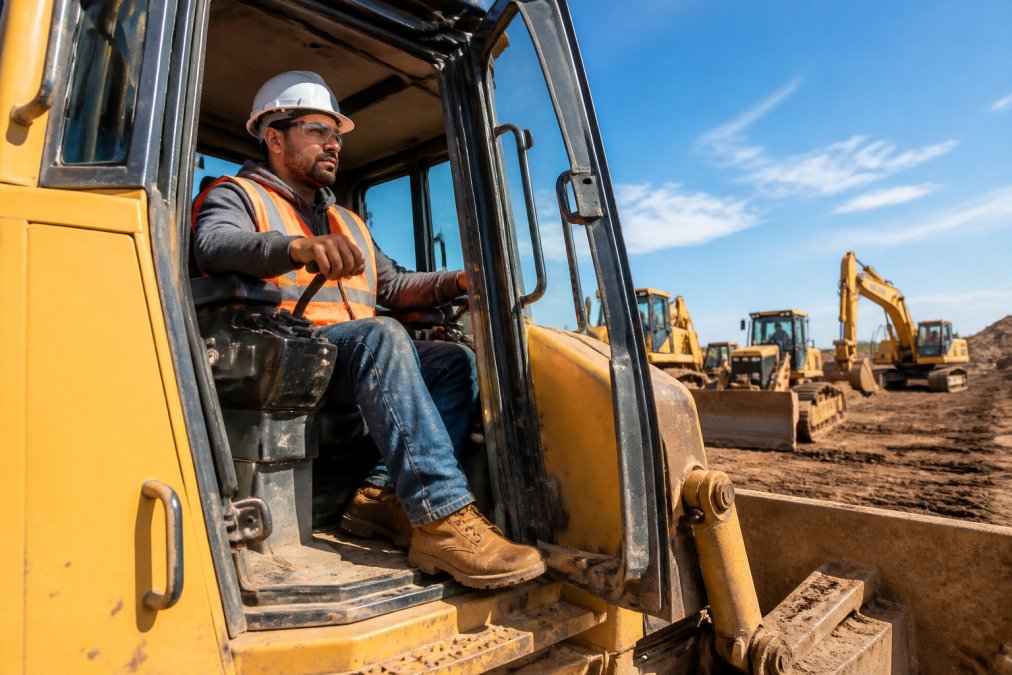
A $10,000 training investment against a $58,320 median salary pays back in under three months of full-time employment. Even a $15,000 program pays back in roughly four months. Employment for construction equipment operators is projected to grow 4% from 2024 to 2034, with approximately 45,700 job openings annually, according to Associated Training Services (2025). The global heavy equipment market is projected to reach $242 billion by the end of 2026, expanding at a CAGR of 8.7% through 2033.
Operators certified on multiple machines command higher wages and face less downtime between placements. The additional training cost pays back quickly through higher earning potential and greater employability.
Which Heavy Equipment Training Package Should You Choose?
The right package depends on your current knowledge level, available time, and budget.
If you're starting from zero with limited funds: Begin with the Iron Skills Academy Student Edition at $30. Work through the 20 chapters covering excavator, bulldozer, wheel loader, skid steer, and backhoe loader fundamentals before spending money on hands-on training.
If you're an instructor or employer building a training program: The Iron Skills Academy Instructor Training Package at $99 provides complete curriculum infrastructure, including instructor materials, student resources, practice assessments, daily inspection resources, practical evaluation tools, and Motor Grader training content.

If you're a career changer with savings or access to financing: A full vocational school program in the $5,000 to $15,000 range gives you the hands-on hours and accreditation most employers require. Investigate state workforce grants before paying full price.
If your employer will fund training: Push for a structured program covering multiple machine types. The productivity gains justify the additional cost.
The most effective path combines self-study first, then hands-on training, then certification. Each stage builds on the last. According to U.S. Bureau of Labor Statistics Occupational Outlook Handbook, those with documented training and industry-recognized credentials will see the strongest opportunities.
| Training Format | Best For | Cost | Time to Complete |
|---|---|---|---|
| ISA Student Edition | New operators building foundations | $30 | Self-paced |
| ISA Premium Bundle | Developing operators wanting full resources | $40 | Self-paced |
| ISA Instructor Package | Schools, employers, supervisors | $99 | Self-paced |
| Single-machine course | Employed operators needing one skill | $2,000-$5,095 | 1-3 days |
| Full vocational program | Career changers, entry-level candidates | $5,000-$15,000+ | 4-16 weeks |
| Employer-sponsored training | Candidates with employer backing | $0 upfront | Varies |
Choosing the right heavy equipment training format is challenging because the price range spans three orders of magnitude and quality signals aren't always obvious. Iron Skills Academy addresses this by providing structured digital training resources that build foundational knowledge operators need before sitting in a cab, covering excavators, dozers, wheel loaders, skid steers, backhoe loaders, and motor graders. Start Training with Iron Skills Academy and build the knowledge base that makes every hour of hands-on machine time count.
Frequently Asked Questions
How much does heavy equipment operator training cost?
Heavy equipment training costs vary widely by format. Full vocational school programs run $5,000 to $15,000 or more. Single-machine courses, such as excavator or bulldozer training, typically cost $2,000 to $5,095. Digital training manuals and self-study resources start significantly lower. Additional costs including safety equipment, supplies, and certification testing fees can add $500 to $5,200 on top of tuition, so budget beyond the headline price when comparing programs.
What factors influence the price of heavy equipment training packages?
Program length, location, equipment type, and delivery format all affect pricing. Hands-on training with real machinery costs more than classroom or digital instruction because of equipment usage fees, which can run $50 to $200 per day. Multi-machine packages cost more than single-equipment courses. Accredited vocational schools charge more than community colleges, and private providers typically charge more than employer-sponsored programs. Geographic location also plays a role, as some states offer grant funding that reduces out-of-pocket costs significantly.
How much does the heavy equipment operator certification cost?
Certification testing fees vary by state and certifying body, typically ranging from $75 to $200 per test. The National Commission for the Certification of Crane Operators (CCO) and NCCER both offer industry-recognized credentials with separate exam fees. Some vocational programs bundle certification assessments into tuition, while others charge separately. Budget for potential retake fees as well. Completing a structured training curriculum before sitting for certification assessments significantly improves pass rates.
Can you make $100,000 a year as a heavy equipment operator?
Reaching $100,000 annually is possible but not typical at entry level. The median annual wage for construction equipment operators was $58,320 in May 2024, according to BLS data. The top 10 percent of earners clear $48.60 per hour or more, which translates to roughly $100,000 or above annually. Crane and tower operators earn higher medians. Operators who hold multi-machine certifications and work in high-demand sectors like mining or heavy highway construction are best positioned to reach that income level.
Is employer-sponsored heavy equipment training better than attending a private school?
Both routes have real advantages. Employer-sponsored training often costs the operator nothing directly and ties instruction to the specific machines and job sites they will actually work on. However, it varies in structure and depth. Private heavy equipment schools and accredited programs offer standardized curricula, industry-recognized credentials, and broader machine coverage, which matters if you plan to work across multiple employers or equipment types. A structured digital training resource used before or alongside either route helps operators arrive better prepared.
This article was written using GrandRanker